
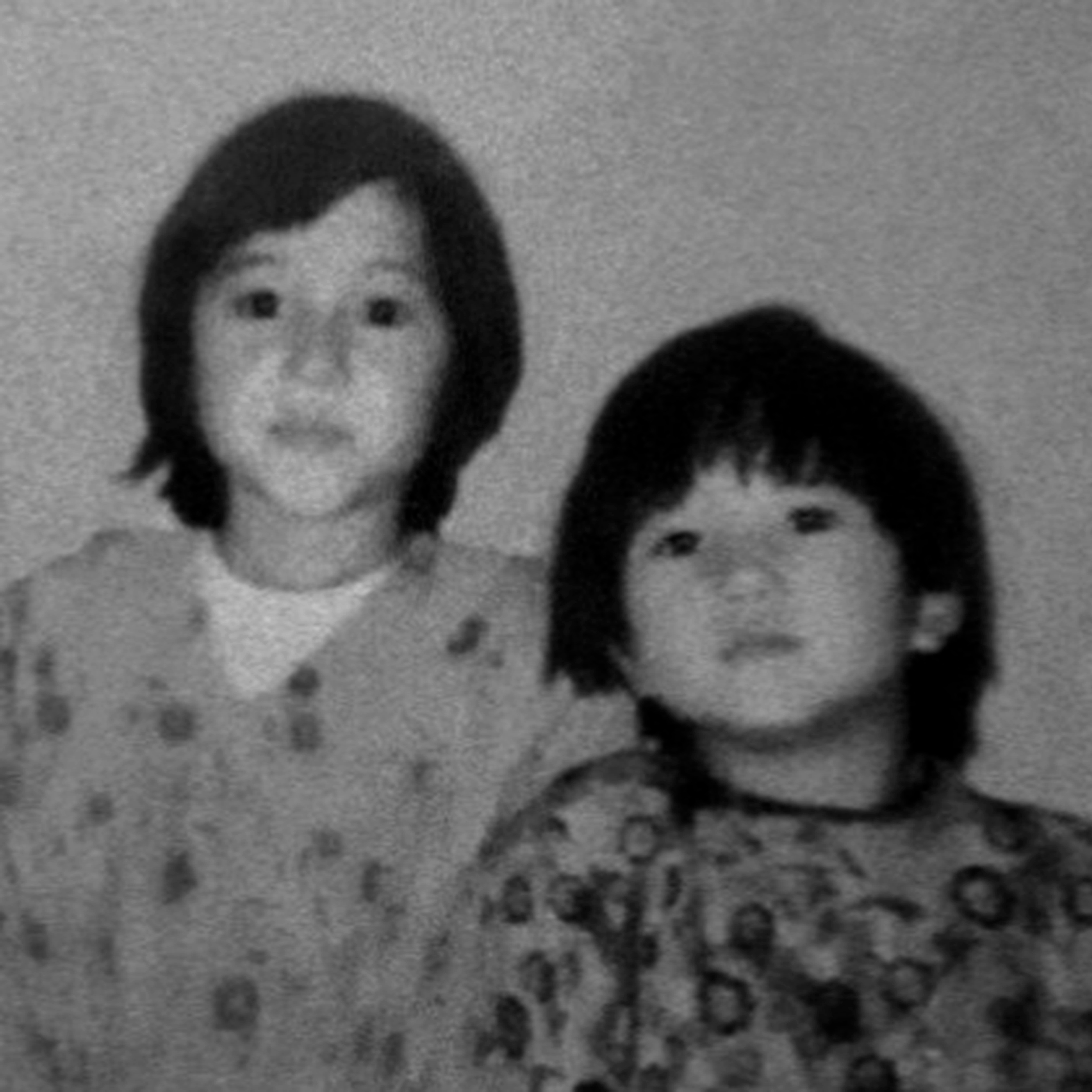
Mahnaz Ebrahimi (Qom, Iran, 2000) and Somayeh Ebrahimi (Qom, Iran, 2001) are two Afghan photographers and cousins who are currently located in Afghanistan. They moved there with their family of Afghan origin after attending school in Iran for several years. Before the Taliban came to power for the second time in August 2021, they lived in the capital, Kabul, where they worked as carpet weavers. After the fall of Ashraf Ghani’s government, they fled to a safer region, far from the Taliban-infested city. They belong to the Hazara ethnic group, historically persecuted for practicing Shia Islam, and especially oppressed by the predominantly Pashtun and Sunni Taliban. This oppression precipitated their decision to leave Kabul and seek refuge in mountain villages. Since then, they have worked in agriculture alongside the rest of their family.
Since 2023, both have experienced a growing interest in photography to capture their reality, denounce the situation of girls and women, and express themselves in order to understand their own world. Their photographic work is mostly in black and white. In Mahnaz’s words, “In black-and-white photography, my narrative of women is constructed, where the silence of girls is perceived more powerfully than any voice.” They were able to attend two online workshops and have since continued their self-directed learning with very limited resources, supporting each other’s development. Their journey in photography began with photos taken with their mobile phone cameras. Despite initially lacking a proper camera, the expressiveness of their photographs and their rich visual imagery caught the attention of Edith Arance, a Spanish curator in Madrid. Their work has since been exhibited in various cities in Spain, with their first exhibition at Galería Sura in Madrid between 2024 and 2025.
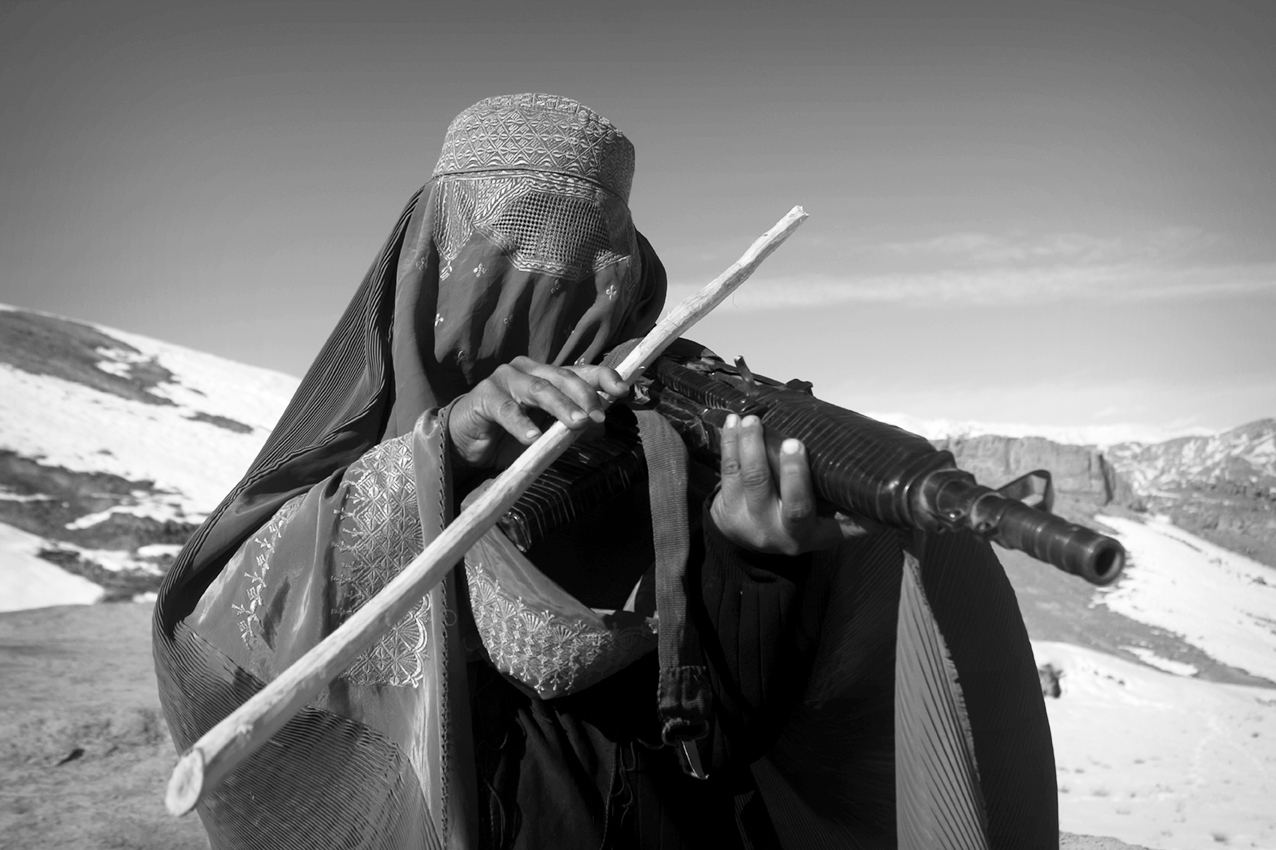
Mahnaz and Somayeh Ebrahimi present a vision of survival through art and visual poetry within a context of gender apartheid and extreme living conditions. Their photographs pay homage to Afghan women, transformed into almost mythological figures in a landscape of both hope and turmoil.
Learn MoreThis website was made possible thanks to the generous support and partnership of