
Arin Yoon is a Korean American documentary photographer and National Geographic Explorer based in Kansas City. Her work focuses on the military community, trauma and healing, notions of family, women and issues of identity and representation. Yoon’s personal work has been featured in National Geographic, NPR, CNN and The New York Times. Her multimedia project, www.tobeatwar.com, which examines the lasting impacts of war through first person narratives from members of the post-9/11 military community, received First Place in The National Press Photographers Association’s 2026 Best of Photojournalism competition for Online Video, Presentation and Innovation in the Innovation category. Her story ‘The Scars of War,’ won First Place in the 2026 Pictures of the Year International competition for Online Storytelling: Daily Life for editing. Yoon’s work is a part of the public collection at The Library of Congress and The Archive of Documentary Arts at Duke University. She has exhibited at venues such as the National Museum of Korean Contemporary History in Seoul and the Corcoran Gallery of Art in Washington, DC. She has an MFA in Photography, Video and Related Media from the School of Visual Arts and a BA in Political Science & English Language and Literature from The University of Chicago. See more of her work at www.arinyoon.com.
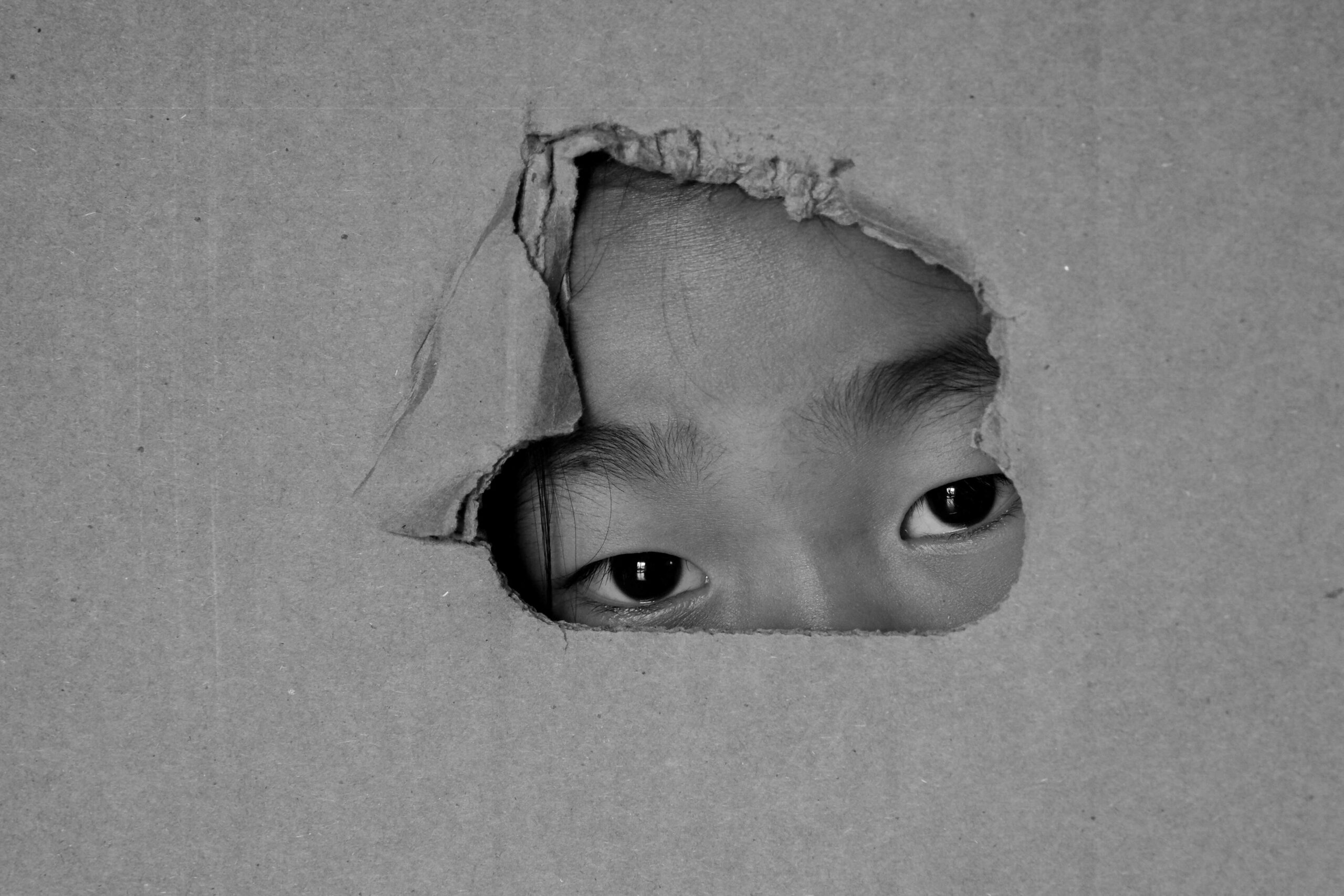
After 24 years in the Army, a service member started therapy for the first time. His therapist asked him to start writing down his thoughts. His wife, a photographer, picked up her camera to tell this chapter of their story.
Learn More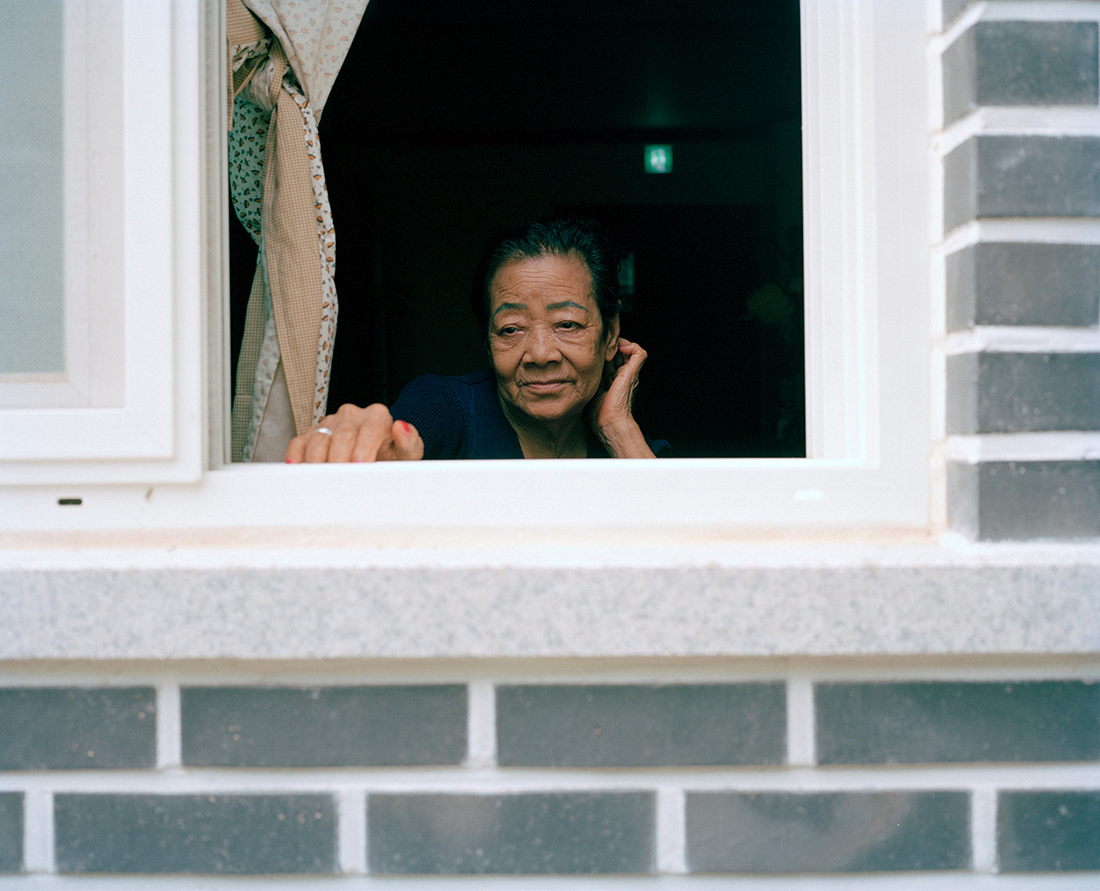
Presented by Photoville
This work seeks to preserve the legacies and share the testimonies of Korean “comfort women,” a euphemism for women (mostly teenagers at the time) who were forced into sexual slavery by the Japanese Imperial Army during World War II.
Learn MoreThis website was made possible thanks to the generous support and partnership of