Sheila Pree Bright
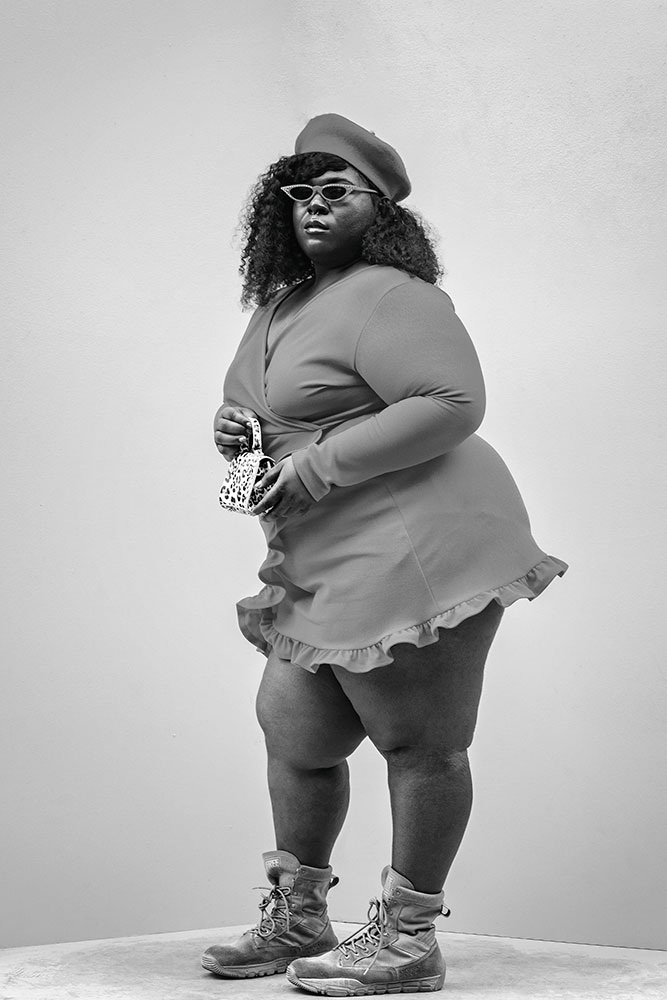
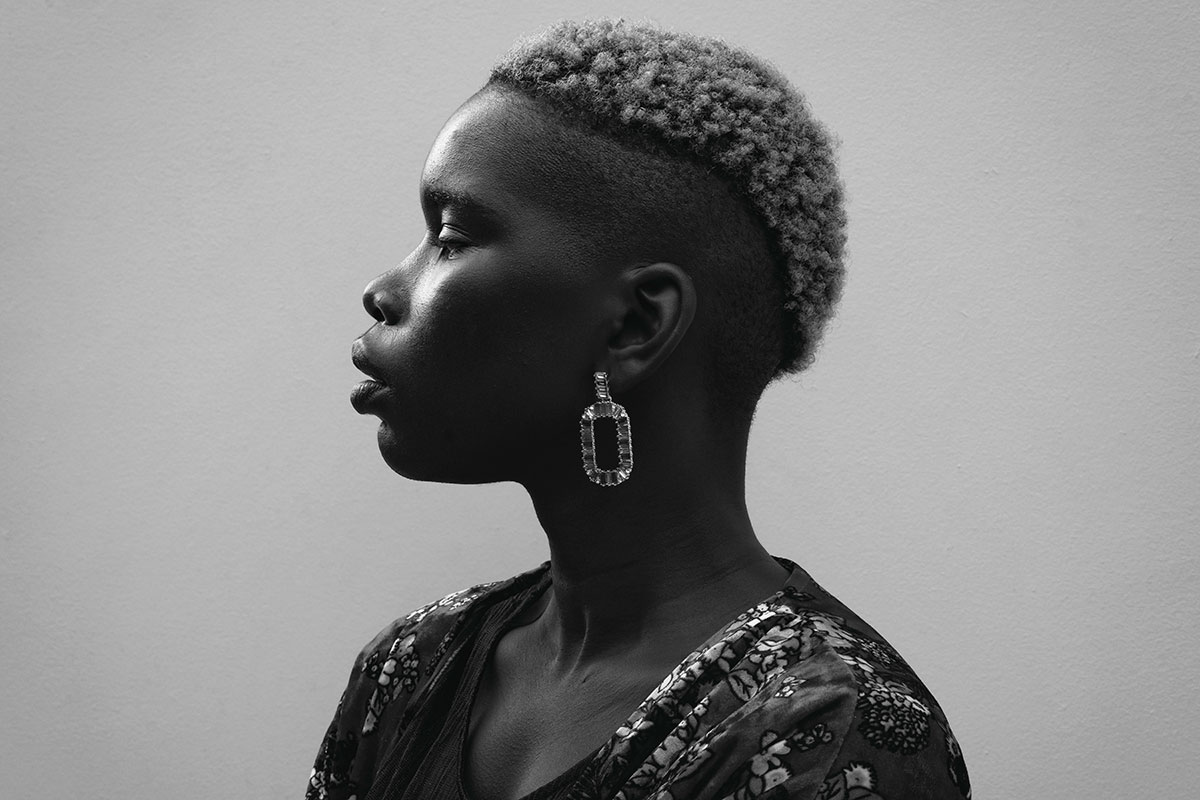
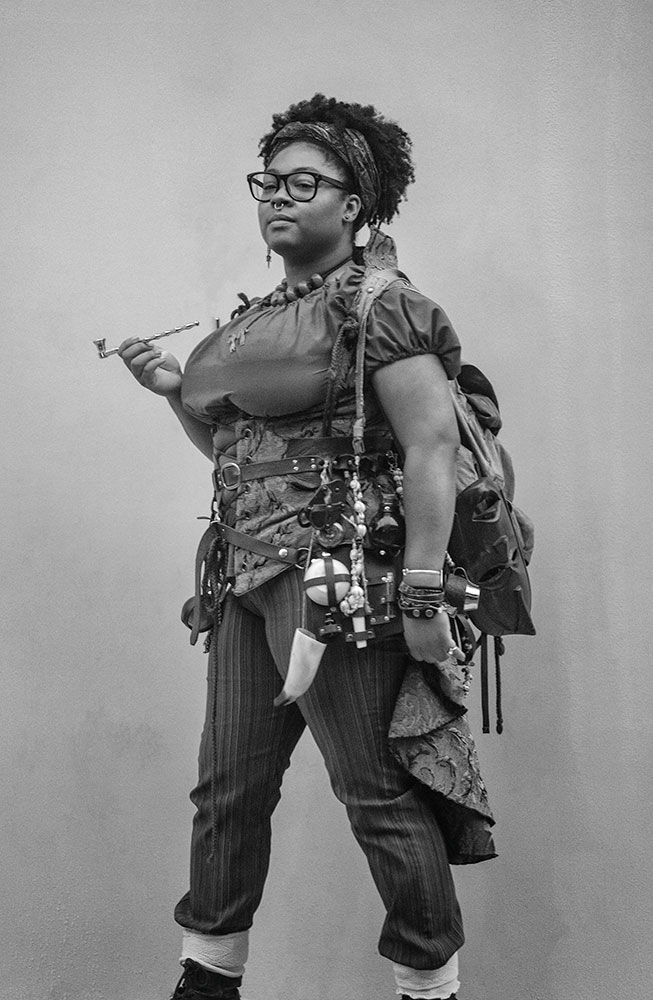
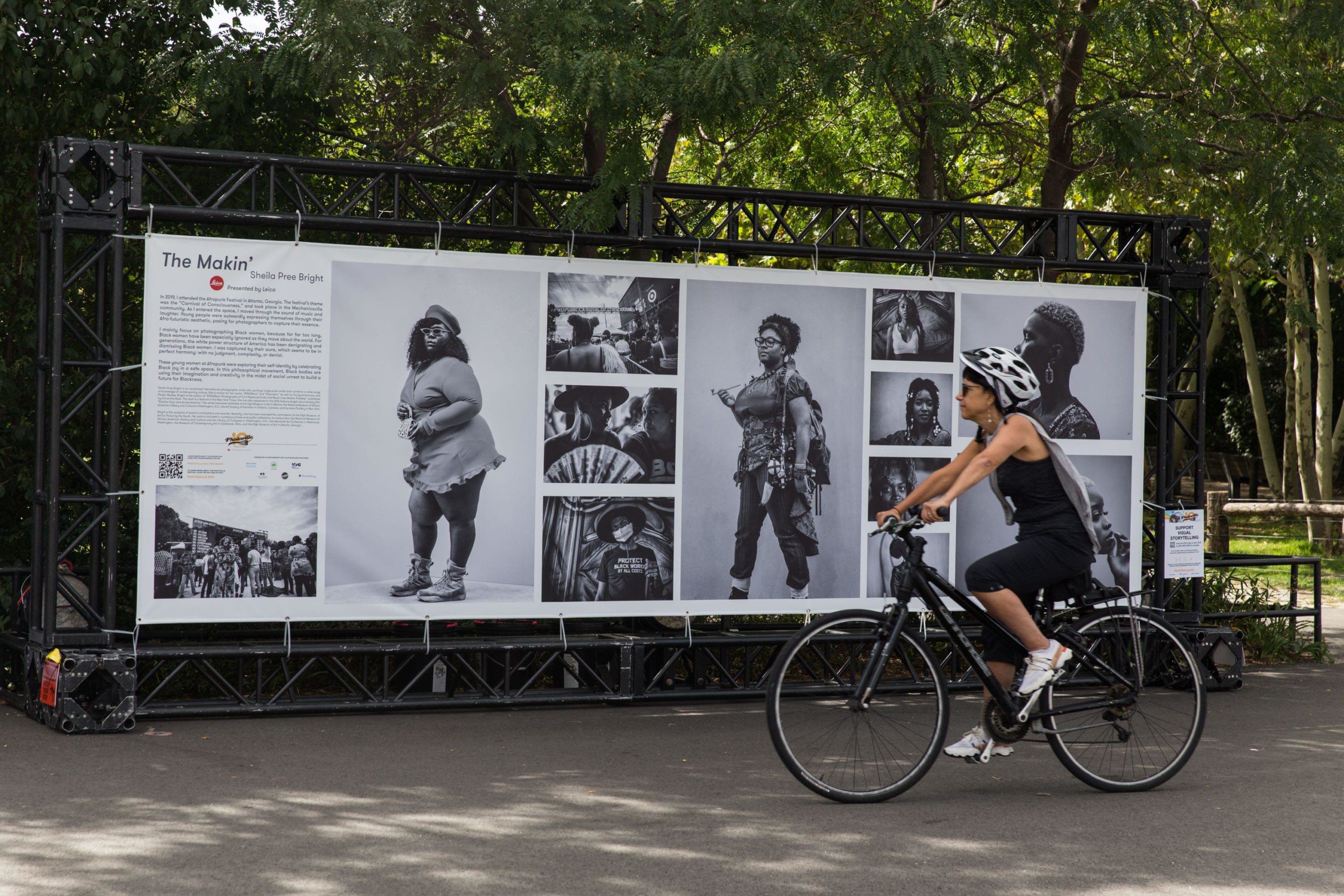
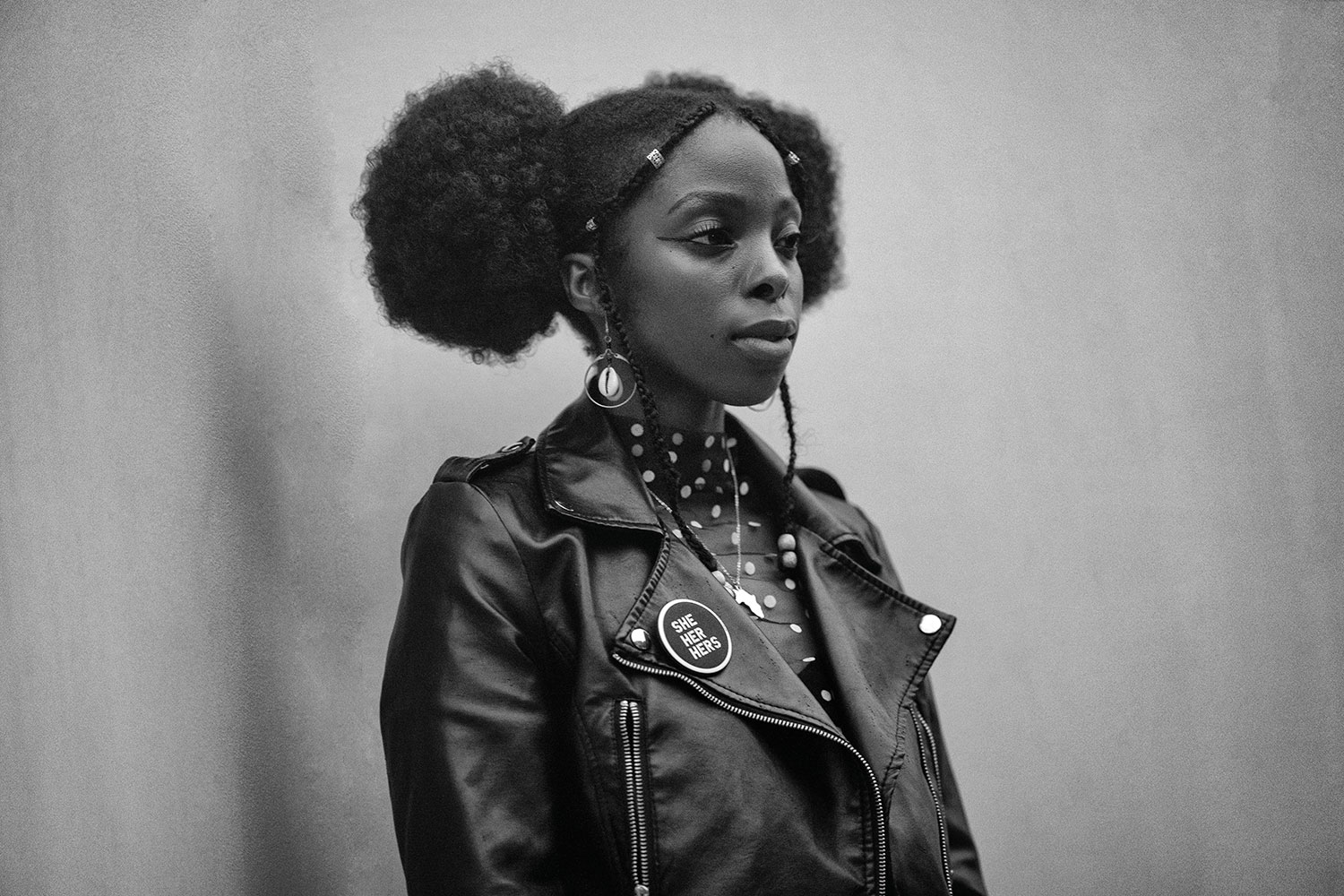
In 2019, I attended the Afropunk Festival in Atlanta, Georgia. The festival’s theme was the “Carnival of Consciousness,” and took place in the Mechanicsville community. As I entered the space, I moved through the sound of music and laughter. Young people were outwardly expressing themselves through their Afro-futuristic aesthetic, posing for photographers to capture their essence.
I mainly focus on photographing Black women, because for far too long, Black women have been especially ignored as they move about the world. For generations, the white power structure of America has been denigrating and dismissing Black women. I was captured by their aura, which seems to be in perfect harmony: with no judgment, complexity, or denial.
These young women at Afropunk were exploring their self-identity by celebrating Black joy in a safe space. In this philosophical movement, Black bodies are using their imagination and creativity in the midst of social unrest to build a future for Blackness.
Artist Bios
-
Sheila Pree Bright is an acclaimed international photographic artist who portrays large-scale works that combine a wide-range of knowledge of contemporary culture. She is known for her works, “#1960Now” and “Suburbia,” as well as Young Americans, and Plastic Bodies.
Bright is the author of “#1960Now: Photographs of Civil Rights Activists and Black Lives Matter Protests,” published by Chronicle Book. The work is a feature in the New York Times. She has also appeared in the 2016 feature-length documentary film “Election Day: Lens Across America.” Her series have been exhibited at the High Museum of Art in Atlanta, the National Museum of African American History and Culture in Washington, D.C., the Art Gallery of Hamilton in Ontario, Canada, and the Leica Gallery in New York.
Bright is the recipient of several nominations and awards. Recently, she has been awarded the commission at the High Museum of Art for Picturing the South. Her work is included in numerous private and public collections, to name a few: the National Museum of African American History and Culture and the Library of Congress in Washington, D.C., the Microsoft Art Collection in Redmond, Washington, the Museum of Contemporary Art in Cleveland, Ohio, and the High Museum of Art in Atlanta, Georgia.
Organizations
-
For 50 years, Leica Galleries across the globe have existed as more than mere exhibition spaces. They are places for imagination, dialogue, and connection. Since the first Leica Gallery opened in Wetzlar in 1976, a global network of Leica Galleries has grown across continents. These galleries are united by the belief that images have the power to move people and change perspectives. The Leica Galleries celebrate the art of seeing and the power of photography. They have been bringing cultures, generations, and stories together, spanning borders, for half a century—reinforcing the idea that true photography is timeless and that seeing is still a universal language.