-

Started in 2021 during the pandemic, African Women in Photography is an organisation/community dedicated to elevating and celebrating the work of women and non binary photographers from Africa. Our goal is to help create opportunities for members of our community to learn through mentorship and educational programs, to work by connecting them to various funding and employment opportunities, to publish and exhibit their work by connecting them to editors and curators and finally to provide a platform for collaboration and community building. We are particularly interested in supporting emerging photographers.
Our growing visual directory consists primarily of African women and non binary photographers working in documentary and fine art photography, and based on the continent, and hopes to connect the world to the creators and the creators to the world.
-

Al Yamaniah is a digital community and platform founded by Noha (Intibint) in March 2019 that champions the creativity of women with Yemeni heritage. Al Yamaniah’s latest project is an art magazine dedicated to Al Dar (home), which was brought to life by Asma Ibrahim (Editor) and Asma Hamdi (Creative Director + Designer). Al Yamaniah magazine is a celebration of Yemeni talent, culture, and art. With contributions from over 60 Yemeni female artists from within Yemen and its diaspora around the globe, this 286-page issue is teeming with photography, illustrations, poetry, art, and more across four sections: Al Dar (home), Naqsh (patterns), Ja’ala (sweets), and Than’a (tribute). The final three sections represent different perspectives from which to consider “home.”
-
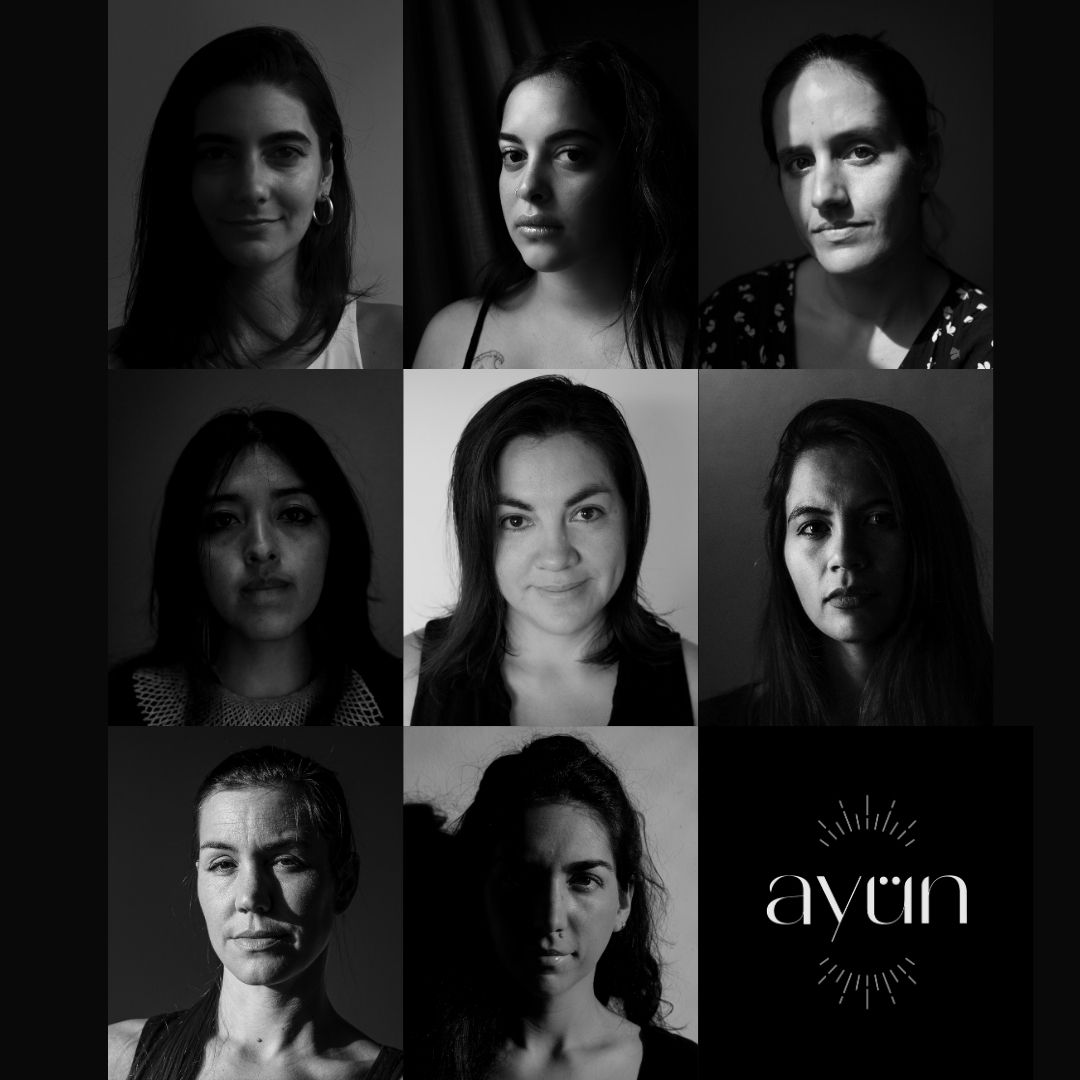
Ayün Fotógrafas is a collective of eight women photographers united by Latin America. We are: Ana Maria Arévalo Gosen, Andrea Hernández, Danielle Villasana, Johanna Alarcón, Karla Gachet, Mariceu Erthal, Sarah Pabst, and Tamara Merino.
-

Doctors Without Borders provides lifesaving medical care to the people who need it most. They work in more than 70 countries, including many places where others can’t or won’t go, and deliver free health services to people no matter their race, ethnicity, religion, or politics.
When an emergency hits, Doctors Without Borders teams are often among the first on the ground. That’s because they’re independently funded, meaning they take no government funding and don’t have to wait for grants or raise earmarked funds. When a crisis strikes, they can assess the needs and start caring for people. Over 90 percent of their program staff are locally hired. This ensures that they can respond quickly in emergencies and stay connected to communities.
Doctors Without Borders responds to natural disasters like droughts, floods, and earthquakes and human-made disasters linked to the climate emergency. They treat people caught in conflict or forced to flee extreme violence; provide mental health care to people recovering from trauma; and care for communities during disease outbreaks, vaccinating people to protect them.
Doctors Without Borders speaks out about the suffering they see and the causes of emergencies, and break down barriers preventing people from getting the care they need.
**
Médicos Sin Fronteras brinda atención médica vital a quienes más la necesitan. Trabajan en más de 70 países, incluyendo muchos lugares a los que otros no pueden o no quieren ir, y ofrecen servicios de salud gratuitos a personas sin importar su raza, etnia, religión o ideología política.
Cuando ocurre una emergencia, los equipos de Médicos Sin Fronteras suelen ser de los primeros en llegar al terreno. Esto se debe a que se financian de forma independiente, lo que significa que no reciben fondos gubernamentales ni tienen que esperar subvenciones ni recaudar fondos específicos. Cuando se desata una crisis, pueden evaluar las necesidades y comenzar a atender a las personas. Más del 90% del personal de sus programas es contratado localmente. Esto garantiza una respuesta rápida en emergencias y un contacto continuo con las comunidades.
Médicos Sin Fronteras responde a desastres naturales como sequías, inundaciones y terremotos, así como a desastres provocados por el hombre relacionados con la emergencia climática. Atienden a personas atrapadas en conflictos o obligadas a huir de la violencia extrema. Brindamos atención de salud mental a personas que se recuperan de traumas y atendemos a las comunidades durante brotes de enfermedades, vacunando a las personas para protegerlas.
Médicos Sin Fronteras denuncia el sufrimiento que observa y las causas de las emergencias, y derriba las barreras que impiden que las personas reciban la atención que necesitan.
-

Fresh Mercado is a visual culture platform translating creative intelligence for the future of image-making and tastemaking. As photography, design, and image-based media intersect with AI, FM helps professionals, artists, and in-house creative teams understand cultural shifts through writing, forecasting, events, and consulting. It is the home of Cafecito, a free annual 1:1 consulting initiative for visual creatives.
-

Magnum Foundation expands creativity and diversity in visual storytelling, activating new audiences and ideas through the innovative use of images. Through grants, mentorship, and creative collaborations, we partner with socially engaged imagemakers exploring new models for storytelling. Since our founding in 2007 by members of the Magnum Photos cooperative, we have made more than 600 direct grants to visual storytellers from over 80 countries. To find out about upcoming exhibitions and events, learn about grant opportunities, or join our community of support, please visit magnumfoundation.org
-

Founded in 2021 in NYC, Strada is a future-oriented gallery focused on redesigning the art world and changing how the art market functions. By fostering community and providing career-building resources, Strada is designing an art world more inclusive of the people within it. We are dedicated to creating innovative, community-centered solutions aimed at bettering underserved communities.
-

For 50 years, Leica Galleries across the globe have existed as more than mere exhibition spaces. They are places for imagination, dialogue, and connection. Since the first Leica Gallery opened in Wetzlar in 1976, a global network of Leica Galleries has grown across continents. These galleries are united by the belief that images have the power to move people and change perspectives. The Leica Galleries celebrate the art of seeing and the power of photography. They have been bringing cultures, generations, and stories together, spanning borders, for half a century—reinforcing the idea that true photography is timeless and that seeing is still a universal language.