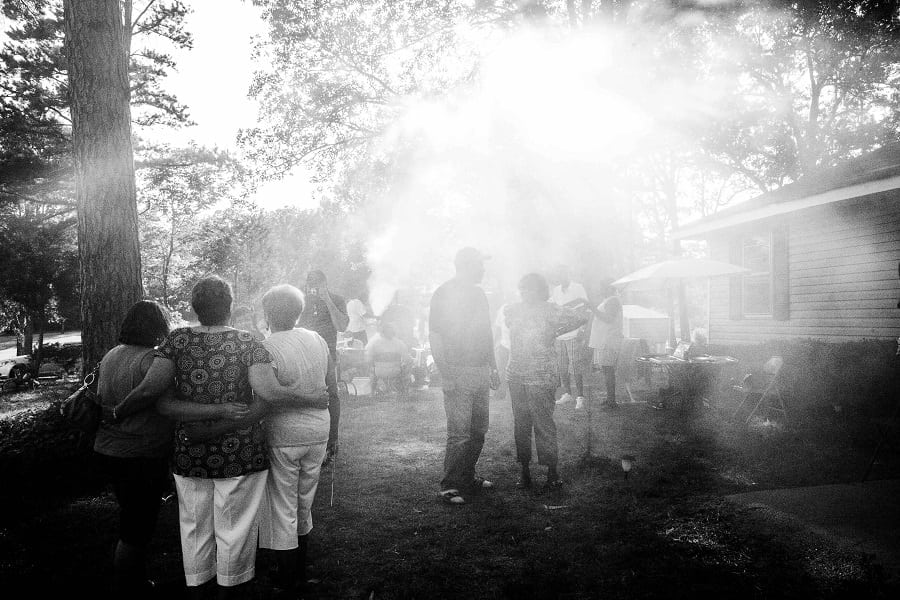
Carlos Javier Ortiz
The Economic Hardship Reporting Project presents a discussion with four of our video grantees about the process of making visual works that address important American aftermath issues, including: the Great Migration of African Americans from the South to the North; urban neglect; and the cultural conflict over abortion sparked by Roe v. Wade.
Presenters: Zackary Canepari Carlos Javier Ortiz Yoruba Richen
Moderators: Sara Terry
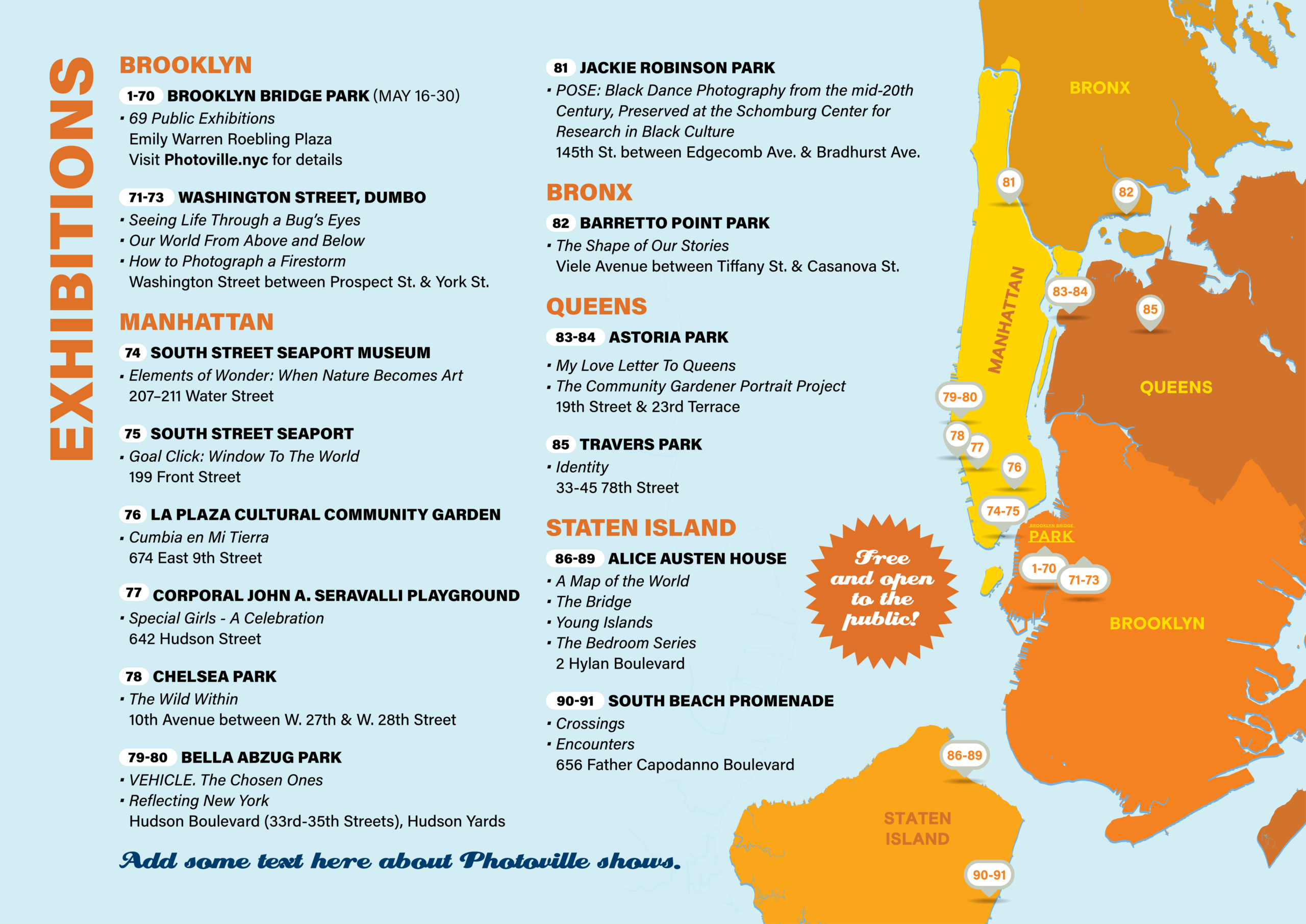
Location: Brooklyn Bridge Park – Emily Warren Roebling Plaza
Number 1 on the official photoville map
Click to download this year's map
Presented by:
The Economic Hardship Reporting Project presents a discussion with four of our video grantees about the process of making visual works that address important American aftermath issues, including: the Great Migration of African Americans from the South to the North; urban neglect; and the cultural conflict over abortion sparked by Roe v. Wade. These films invite fresh thinking about “aftermath” issues through storytelling that sets intimate personal stories against some of the most pressing social issues of our time, and of our history. Each piece builds on a strong visual aesthetic that helps carry and drive the narrative. We will discuss how these images and stories, when published in mainstream media outlets, add to a better understanding of the kinds of inequality that can arise in the aftermath of huge cultural and historical trends.
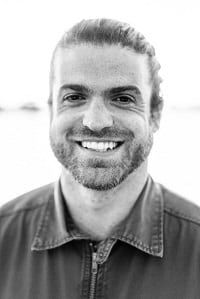
Zackary Canepari is a visual storyteller working in a variety of different mediums. He began his career as a photojournalist in India/Pakistan before teaming with filmmaker Drea Cooper in 2010 and launching the documentary film series “California is a place,” which screened at Sundance. The success of the California series led Canepari to Flint, Michigan to film the documentary feature “T-Rex,” co-directed with Cooper, about teenage Olympic boxer and Flint native Claressa “T-Rex” Shields, which premiered at SXSW, was featured on PBS, and was recently adapted into a feature film titled THE FIRE INSIDE. He is currently finishing a new documentary about Active Shooter Preparedness for HBO titled THOUGHTS & PRAYERS.
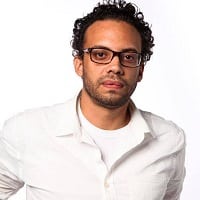
Carlos Javier Ortiz is a director, cinematographer and documentary photographer who focuses on urban life, gun violence, racism, poverty and marginalized communities. In 2016, Ortiz received a Guggenheim Fellowship for film/video. His work has been exhibited nationally and internationally. FILM: A Thousand Midnights The film marks the centennial of the beginning of the Great Migration in which six million African Americans relocated from the rural South to the cities of the North, Midwest and West from 1915 to 1970. Black migrants believed that the purported racial openness of the North would translate into more economic opportunity; however, as is the case with much of the American story, this dream remains out of reach for many.
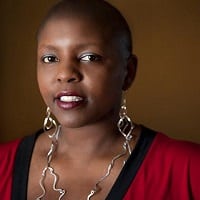
Yoruba Richen is a documentary filmmaker who has directed and produced films in the U.S. and abroad including Africa, South America and Southeast Asia. Her films include: The New Black, Promised Land and Out in the Night. Richen is the Director of the Documentary program at CUNY Graduate School of Journalism, a 2014 featured TED Speaker, a Guggenheim Fellow and the recipient of a 2016 Chicken & Egg Breakthrough Filmmaker award.
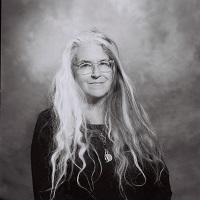
Sara Terry (1955-2025) was a documentary photographer, filmmaker, and educator whose work focuses on how we define our humanity, and the role of community in creating that definition. She was a Guggenheim Fellow in Photography, a Sundance Documentary Fellow, and a contributing photographer to VII Foundation, publishing two books of photography and directing three feature-length documentary films. In 2024, she was named to Forbes Women’s 50 Over 50 list. A former reporter for The Christian Science Monitor and freelance magazine writer, Sara picked up a still camera in the late 1990s at a time when she lost her faith in words and never looked back.
Sara was an uncommonly generous teacher, mentor, and supporter of other photographers. While working on Aftermath: Bosnia’s Long Road to Peace, a project about the period following the 1992-95 war in Bosnia and Hercegovina, Sara came to believe that “war is only half the story.” She founded a nonprofit, The Aftermath Project, to help photographers tell the stories that follow conflict—of what it takes to rebuild lives and homes, to restore civil societies, to address the lingering wounds of war, and create new avenues for peace. Since 2007, The Aftermath Project has given more than $750,000 in grants to photographers.
The Economic Hardship Reporting Projects supports independent journalists so they can create gripping stories which often counter the typical disparaging narratives about inequality. This high-quality journalism is then co-published with mainstream media outlets mobilizing readers to address systemic economic hardship.
This website was made possible thanks to the generous support and partnership of