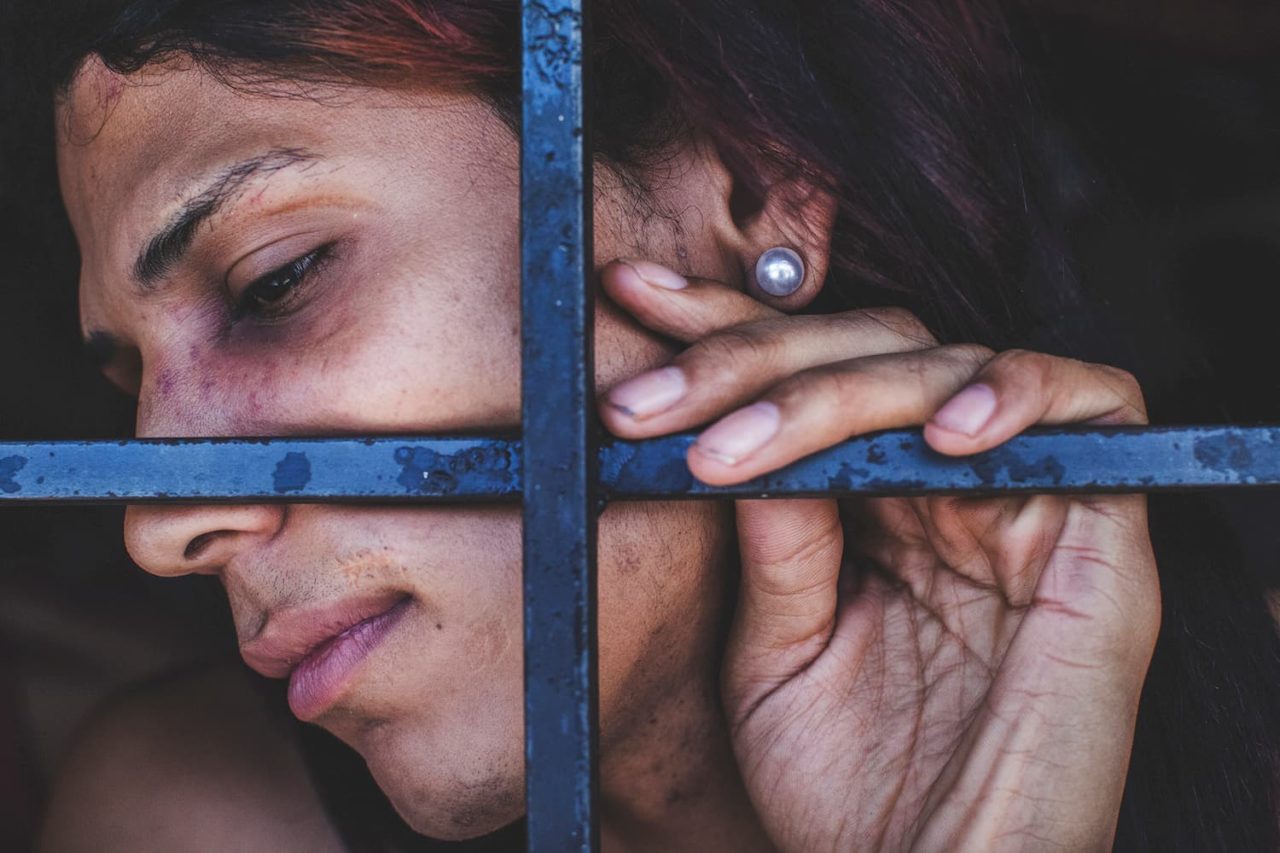
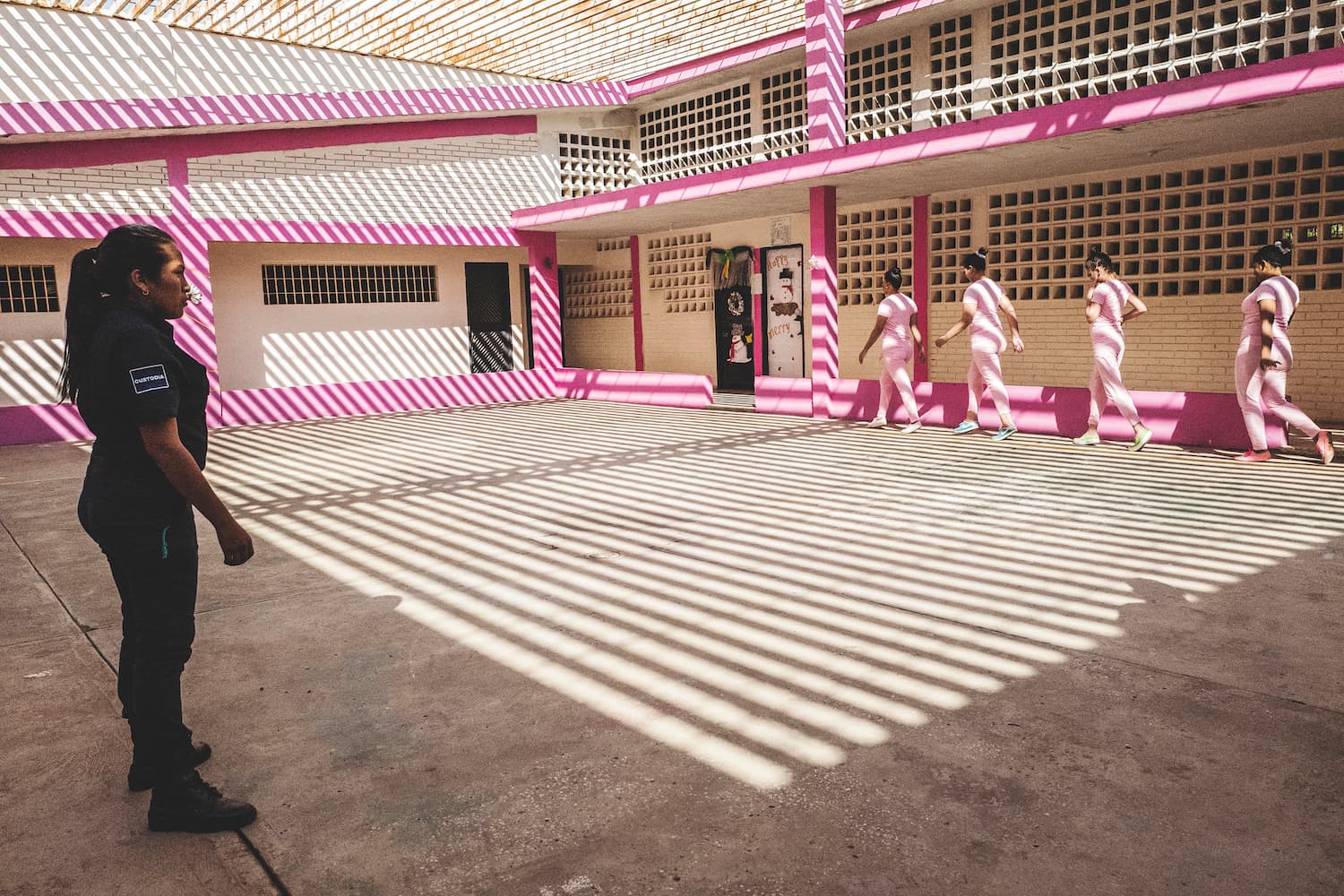
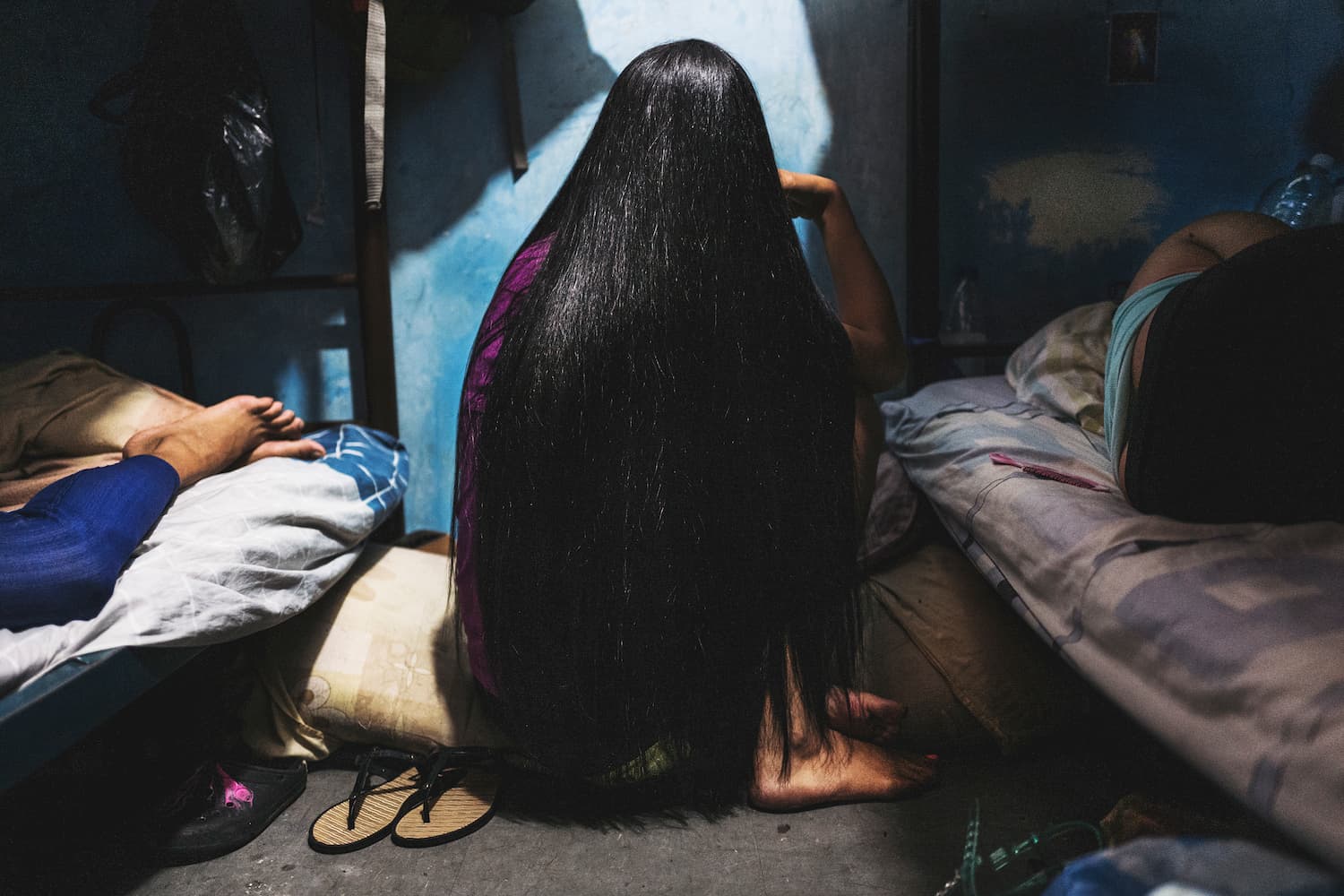
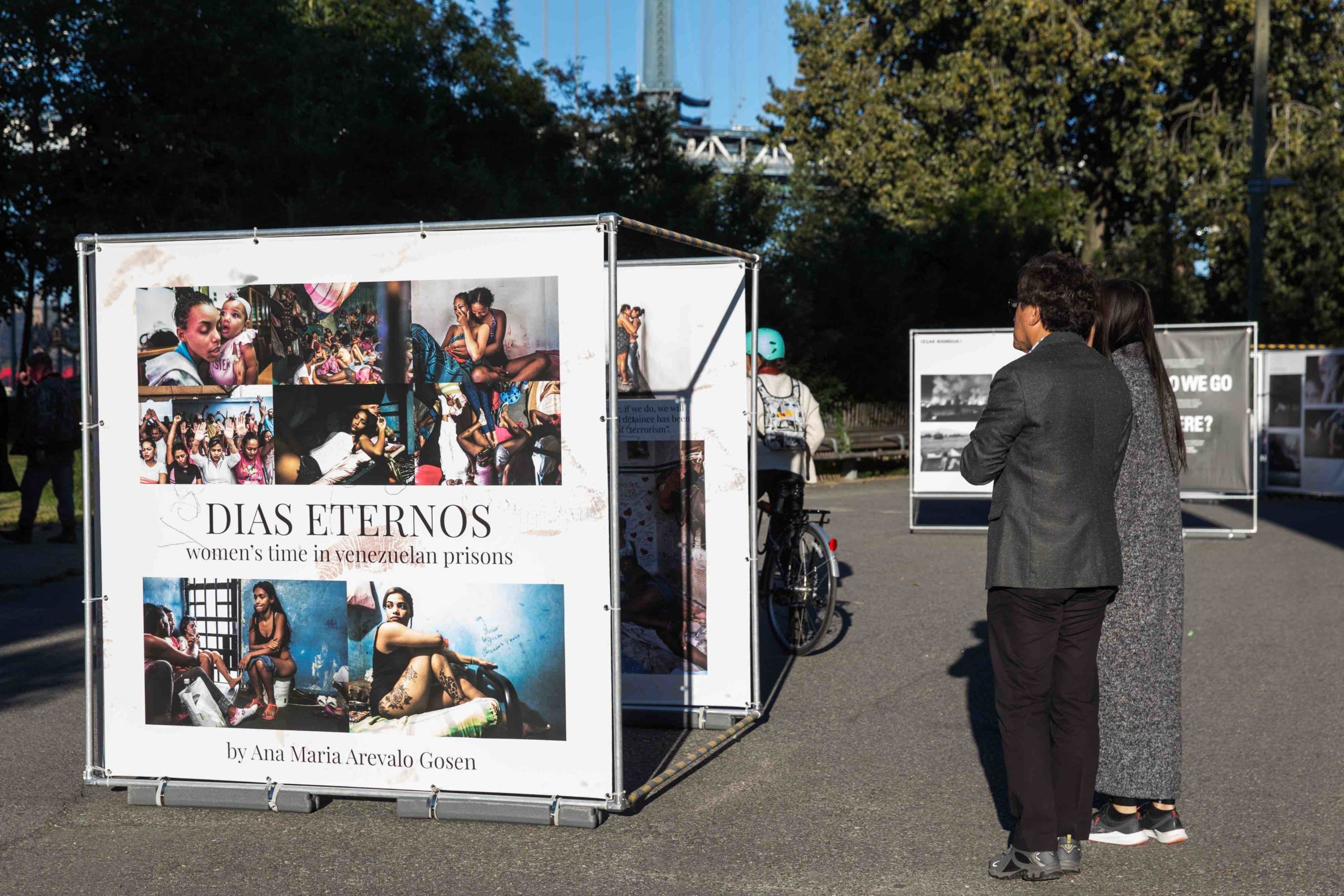
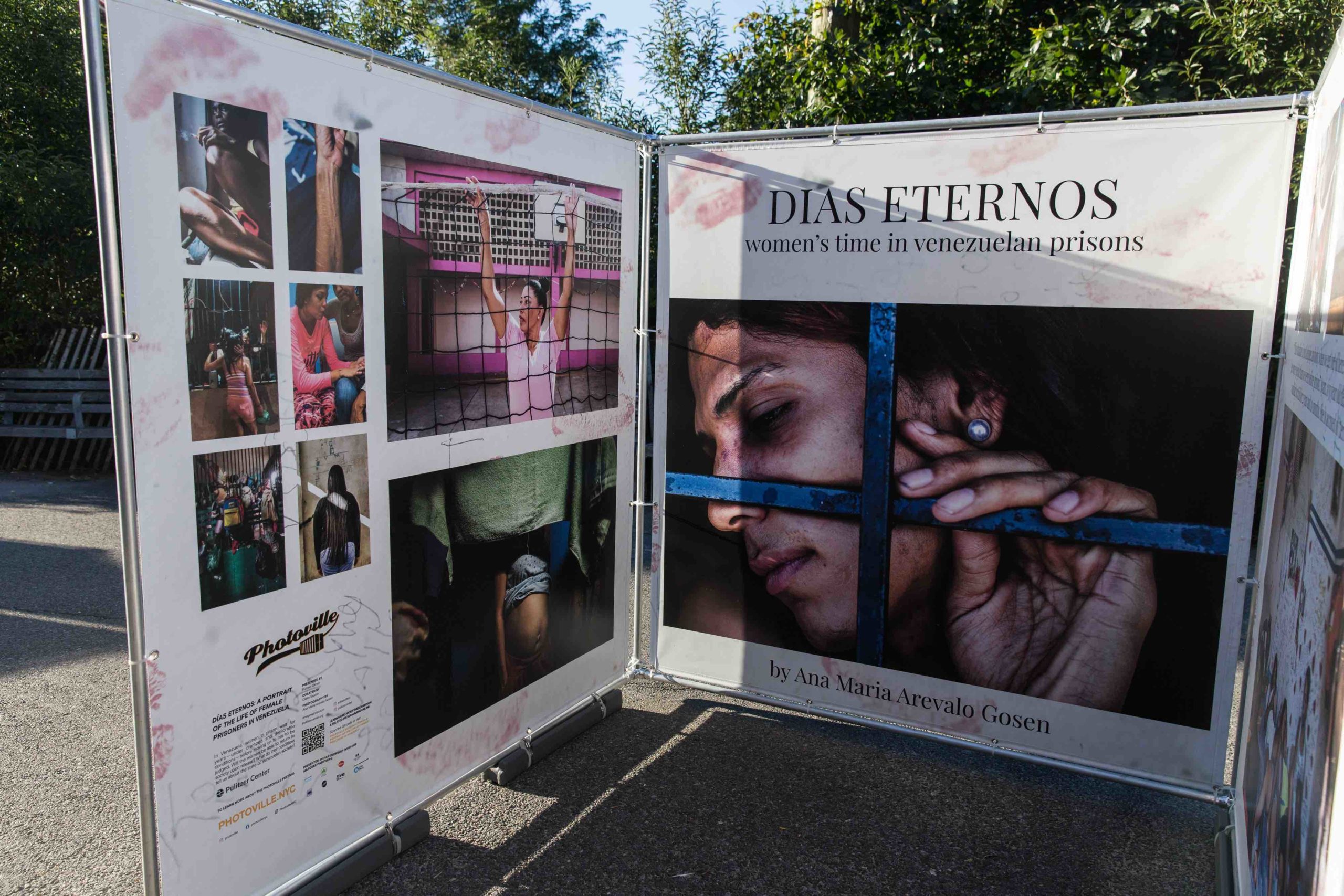
In Venezuela the criminal justice system does not work equally for everybody. It takes away the rights of the poorest, and most vulnerable members of the society. Thousands of women, most awaiting trial and presumed innocent, are expected to be held for 45 days, but Venezuela’s crisis has rendered this notion a memory.
Pre-trial detention is particularly brutal. Jails are dark, hot, overcrowded, and claustrophobic. Prisoners have no food, water, or medical attention. Some suffer from psychological disorders, and many are affected by heavy drug addiction. There is no capacity to separate women from men (let alone transgender people or minors), nor is there an allowance for the separation of low-level offenders from hardened criminals.
The causes for imprisonment are not limited to robbery and drugs, they also extend into the political sphere. The law against hate, which was passed in January 2018, forbidding any protest against the government. The result is that numerous women are now behind bars.
How many more people will be impacted by this law? And what do the conditions of their imprisonment tell us about the state of Venezuelan society?
Artist Bios
-
Ana Maria Arévalo Gosen
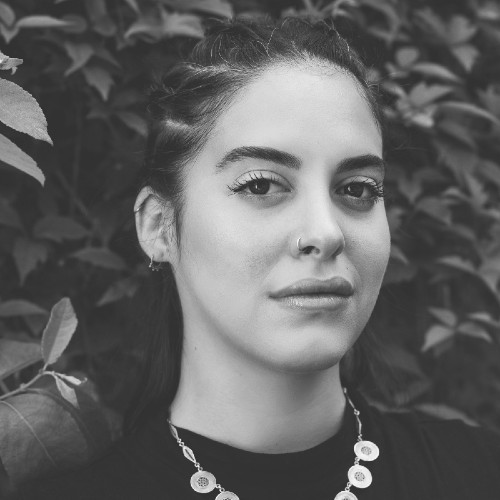
Ana Maria Arévalo Gosen is a Venezuelan visual storyteller focusing on women’s rights. Mixing rigorous research with intimate stories, she aims to make a positive impact through her projects. In 2017-2019, she reported the story Días Eternos about the conditions of women in preventive detention centers and prisons in Venezuela. The project was supported by grants from Women Photograph and the Pulitzer Center on Crisis Reporting. She is the recipient of the Lucas Dolega award, first place in the Pictures of the Year Latam in the category The Strength of Women, and the LUMIX prize. Her work has been exhibited at the LUMIX festival for young photojournalists, Manifesto festival in Toulouse, France, and the International Women Photography Association. Ana is a National Geographic Explorer and divides her time between Venezuela and Bilbao.
Organizations
-

Pulitzer Center
The Pulitzer Center makes possible in-depth reporting on important systemic issues, from climate change to health to the impact of AI. We make sure that the journalism reaches the right audiences to inspire curiosity, understanding, and action.
Our grants, trainings, and tools support more than 200 journalism projects each year, published by hundreds of news outlets all over the world. Over our 20-year history, that adds up to 11,000 stories illuminating some of the most urgent, complex issues facing the world today, and the intersections between them.
The journalism we support has led to the repeal of harmful laws, helped change government programs, and borne witness to events and atrocities that otherwise would be hidden from public scrutiny—and garnered the industry’s top accolades, including Pulitzer Prizes and Emmy awards.
Journalism also is a driver of civic engagement. We connect our projects to classrooms, communities, and public forums worldwide, extending impact far beyond publication. As the ways people get their information change, our impact-driven, audience-driven approach is even more necessary for a healthy society.
Breakthrough Journalism, Stronger Communities. That’s been our mission and our passion for two decades. We’re excited to see what the next 20 years bring.
Días Eternos: A Portrait of the Life of Female Prisoners in Venezuela
Featuring: Ana Maria Arévalo Gosen
Curated by: Claire Seaton
Locations
View Location Details Brooklyn Bridge Park – Empire Fulton Ferry Lawn1 Water Street
Brooklyn, NY 11201
This location is part of Brooklyn Bridge Park
Explore other locations and exhibitions nearby
Related Events
Behind the Reporting: Pablo Albarenga and Ana Maria Arévalo
Pulitzer Center grantees Pablo Albarenga and Ana Maria Arévalo Gosen, in conversation with Marina Walker Guevara, discuss their approaches to photographing marginalized communities.
Learn More